Safety Is Not a Paperwork Exercise — It’s How Queensland Businesses Stay Ahead
Workplace health and safety in Queensland has moved far beyond a folder of dusty policies and a once-a-year site walk. For businesses operating in construction, mining, civil infrastructure, logistics, manufacturing and commercial services, safety is now a daily operational reality. The question is no longer whether a business has a safety manual, but whether that manual reflects real risk, is understood by workers and can stand up to regulatory scrutiny. That shift is why many organisations are turning to specialist WHS consultants who understand the local regulatory environment and the practical demands of high-hazard work.
Why Queensland’s WHS Requirements Demand More Than a Generic Checklist
Queensland’s work health and safety framework is built around the Work Health and Safety Act 2011, which places clear duties on persons conducting a business or undertaking, known as PCBUs. These duties are not passive. They require businesses to actively identify hazards, assess risks, implement control measures and continually review whether those controls remain effective. In practice, that means a generic safety checklist downloaded from the internet rarely provides the level of protection — or the level of compliance — that a modern Queensland workplace needs.
The regulator in Queensland takes a proactive approach to enforcement, and penalties for serious breaches can be substantial. More importantly, poor safety management leads to injuries, lost time, damaged equipment and reputational harm. For businesses in Brisbane and across Queensland, the complexity is compounded by the diverse nature of local industry. A high-rise construction project in inner Brisbane has very different risk exposures to a mining services operation in Mackay or a transport yard in Ipswich. Generic safety documentation does not account for these differences, and that is where a locally focused WHS consultant becomes genuinely valuable.
Working with a local safety consultancy such as https://www.staysafeconsultants.com.au/ gives Queensland businesses access to practical expertise in WHS audits, risk assessments, SWMS development and emergency management planning. Rather than applying a one-size-fits-all template, this type of support helps businesses understand what the law actually requires in their specific operating context. A well-structured WHS audit can identify gaps that would otherwise go unnoticed until an incident occurs. A properly developed safe work method statement can become a tool that workers actually use, not just a document that sits in a site office.
Businesses also need to understand that compliance is not static. Codes of practice change, industry standards evolve, and new risks emerge as operations expand. A risk assessment completed two years ago may no longer reflect the current workflow, equipment or personnel. Regular audits and documentation reviews are essential for keeping safety systems current. The goal is not to create more paperwork, but to create living safety systems that grow with the business. In Queensland’s fast-moving industrial economy, that kind of proactive approach is no longer optional — it is the baseline for responsible operation.
Turning Risk Assessments and SWMS into Practical Daily Tools
One of the most common mistakes businesses make is treating WHS documentation as a compliance exercise rather than an operational tool. A safe work method statement, or SWMS, is required for high-risk construction work under Queensland regulations, but its real value lies in how clearly it communicates hazards and controls to the workers on the ground. When developed properly, a SWMS should outline the sequence of work, identify the risks at each step and specify control measures in plain language. It should be usable by a site supervisor in a pre-start meeting, not written in legal jargon that nobody reads.
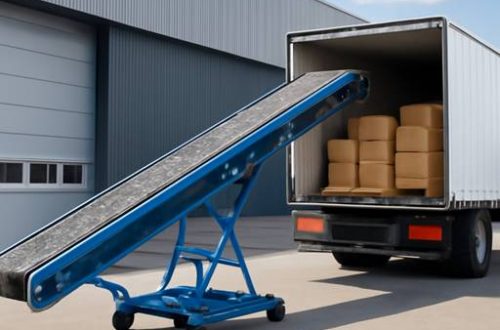
Risk assessments serve a similar purpose. They help employers and workers understand what could go wrong before it actually does. A practical risk assessment goes beyond simply noting “manual handling” as a hazard. It looks at the weight of the load, the distance it is carried, the surface condition, the frequency of the task and the physical capability of the worker. It then recommends realistic controls such as mechanical aids, team lifting or changes to workflow. For a Brisbane warehouse or logistics facility, this level of detail can make the difference between a productive shift and a serious musculoskeletal injury.
Emergency management planning is another area where practical expertise matters. Every workplace needs an emergency plan, but a plan that looks good on paper may fail completely when a real fire, chemical spill or medical emergency occurs. A well-written emergency management plan considers the specific layout of the site, the number of workers, the types of hazardous materials present and the nearest emergency services. It includes clear evacuation routes, assembly points, communication protocols and responsibilities for wardens. In a multi-tenanted commercial building or a busy construction site, these details are not incidental — they save lives.
Incident investigation is equally important. When something goes wrong, the immediate response often focuses on getting the job restarted. But without a proper investigation, the underlying causes remain unresolved and the same incident can happen again. A robust incident investigation process looks at root causes, not just immediate failures. It examines systems, training, supervision and workplace design. The outcome should be practical corrective actions that reduce the likelihood of recurrence. For businesses across Queensland, this shift from blame to learning is essential for building a stronger safety culture.
Safety documentation, when done well, also supports better communication. Workers understand what is expected of them, supervisors can monitor compliance more effectively and managers can demonstrate due diligence. The key is to make the documentation accessible, relevant and easy to update. That is why many businesses choose to work with consultants who understand the day-to-day realities of their industry. The goal is not to overwhelm a business with folders of forms, but to provide clear, usable tools that actively reduce risk.
Local Risk Profiles in Construction, Mining, Logistics and Manufacturing
Queensland’s economy is built on industries where risk is an everyday part of operations. Construction remains one of the highest-risk sectors in Australia, with hazards including working at heights, moving plant, electrical work, confined spaces and exposure to hazardous substances. On a typical Brisbane construction site, multiple trades may be working simultaneously, each with its own set of risks. A well-coordinated WHS approach is essential to prevent incidents caused by overlapping work activities. Safe work method statements, site inductions and regular safety walks are not just regulatory requirements — they are the practical tools that keep workers safe in a fast-changing environment.
In the mining and resources sector, risk profiles are even more intense. Workers may be exposed to heavy machinery, remote locations, fatigue, hazardous chemicals and extreme environmental conditions. While many mining operations have dedicated safety teams, smaller contractors and service providers often need additional support to meet the rigorous standards expected by principal contractors and mine operators. A local consultant who understands the expectations of the Queensland mining industry can help suppliers develop compliant safety documentation, conduct risk assessments and prepare for audits without unnecessary delay.
The civil construction industry faces its own challenges. Roadworks, bridge construction, earthmoving and trenching operations involve unique risks such as underground services, traffic management and working near heavy plant. A civil contractor in Logan or the Gold Coast may be working on a public road one day and a remote site the next. This variability makes it difficult to maintain consistent safety standards without a structured approach. Regular WHS audits can help identify inconsistencies and ensure that controls are being applied consistently across different projects.
Logistics and manufacturing businesses in Brisbane’s industrial suburbs also need tailored safety support. Warehouses face risks from forklifts, racking, manual handling and loading dock operations. Manufacturing plants may include machinery guarding, noise, hazardous chemicals and repetitive tasks. In these environments, even a small change in workflow can create new risks. Proactive risk assessments and clear safety documentation help business owners stay ahead of those changes. Rather than waiting for an injury to expose a weakness, smart operators identify and control hazards before they cause harm.
Commercial workplaces, such as offices and retail operations, may not face the same level of physical risk as construction or mining, but they still have obligations under WHS law. Slips, trips, falls, ergonomic issues, workplace violence and psychosocial hazards are all relevant. Emergency management plans, staff training and consultation processes are still required. A local safety consultant can help smaller businesses meet these obligations in a practical and proportionate way, without unnecessary complexity or cost. Ultimately, the value of professional WHS support lies in its ability to translate legislation into clear actions that protect people and keep businesses moving forward.

Marseille street-photographer turned Montréal tech columnist. Théo deciphers AI ethics one day and reviews artisan cheese the next. He fences épée for adrenaline, collects transit maps, and claims every good headline needs a soundtrack.

Théo Legrand
Marseille street-photographer turned Montréal tech columnist. Théo deciphers AI ethics one day and reviews artisan cheese the next. He fences épée for adrenaline, collects transit maps, and claims every good headline needs a soundtrack.