Cracking the Code of Visual Truth: How AI Image Detectors Spot What Humans Miss
Why AI Image Detectors Matter in a World Flooded With Synthetic Media
Every day, billions of images move across social networks, news sites, and private chats. Hidden among vacation photos and product shots are increasingly convincing AI‑generated visuals: fake portraits, fabricated events, synthetic product pictures, and even simulated medical images. In this environment, the role of an AI image detector has shifted from a niche tool for specialists to a critical layer of digital trust.
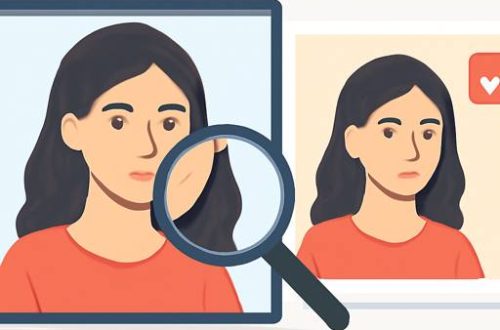
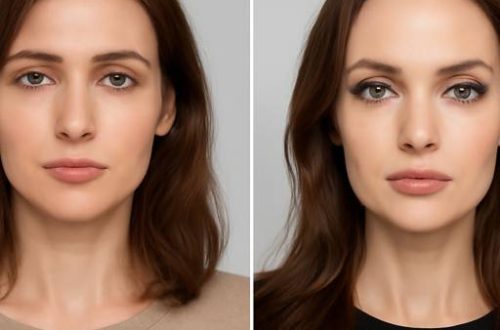
Modern generative models such as diffusion models and GANs can produce photos that look indistinguishable from real camera shots. Faces have natural skin texture, lighting is realistic, and backgrounds are coherent. For most people, it is nearly impossible to visually verify whether an image is authentic. That’s where automated systems designed to detect AI image manipulation become essential. These detectors scan incoming images, searching for subtle signals that algorithms leave behind—even when humans see nothing suspicious.
The need spans numerous industries. Newsrooms must confirm that a war photograph is not fabricated propaganda. E‑commerce platforms want to prevent sellers from uploading AI‑generated product photos that misrepresent quality. Educational institutions are wary of fake lab results or altered evidence in academic work. Even dating apps and professional networks face risk from AI‑generated profile pictures used in scams or impersonation attempts.
At the same time, there are legitimate uses of synthetic imagery: creative campaigns, training data augmentation, concept art, and visual prototypes. The challenge is not to ban AI images outright, but to clearly label and audit them. An effective ai detector helps draw that line. It enables platforms, businesses, and individuals to distinguish between honest creative use and deceptive manipulation. As regulations about synthetic media emerge, from watermarking proposals to disclosure rules, robust detection becomes a compliance requirement as well as a trust signal to users.
Ultimately, AI image detection tools are about preserving context. When viewers know whether a photo is AI‑generated or captured from reality, they can interpret it correctly, evaluate sources responsibly, and make informed decisions. In a world where seeing is no longer believing by default, these detectors act as a new kind of verification layer—one that operates at machine speed and scale.
How AI Systems Actually Detect AI Images: Signals, Models, and Limitations
Behind every seemingly simple “real or AI” label lies a complex pipeline of analysis. To detect AI image content reliably, detectors combine traditional digital forensics with modern machine learning. Instead of relying on a single telltale clue, they aggregate many weak signals into a strong overall judgment.
One core approach involves looking for statistical fingerprints. Generative models tend to leave distinctive patterns in pixel distributions, noise structure, and frequency space. For instance, AI‑generated images may show subtle inconsistencies in how textures repeat, how noise appears in flat regions, or how edges are rendered under varying lighting conditions. Human eyes gloss over these micro‑patterns, but a trained classifier can recognize them with high probability.
Another technique evaluates semantic consistency. AI systems can produce images with impressive aesthetics but strange details: irregular reflections in mirrors, physically impossible shadows, mismatched earrings, warped text on signs, or inconsistent background elements. Detectors that analyze object relationships, geometry, and lighting can flag such anomalies. For example, systems may cross‑check the direction of light against shadow lengths, or verify that multiple faces in a group photo share plausible perspective and focus depth.
Metadata analysis also plays a role, though it is less reliable on its own. Many AI tools strip or replace EXIF data, or embed generator signatures. Detection pipelines may check for camera model information, lens metadata, or editing traces. However, metadata can be easily manipulated or removed, so serious detection tools treat it as supplemental rather than decisive evidence.
Some cutting‑edge systems incorporate watermarks or cryptographic signatures that model developers embed in generated output. When available, these signals offer very high confidence. But they depend on cooperation from model providers and do nothing against unwatermarked or open‑source generators. That is why generalized detectors that inspect raw pixels remain central to the ecosystem.
Despite impressive progress, AI image detection is probabilistic by nature. No tool is perfect, especially as generative models improve and attackers learn to evade detection by post‑processing images, adding real noise, or blending AI content with genuine photos. Robust solutions, like those offered by platforms such as ai image detector tools, typically return confidence scores rather than absolute claims. This allows publishers, moderators, and investigators to set thresholds appropriate to their risk tolerance, treating borderline cases with additional human review.
Understanding these limitations is crucial. Detecting AI images is a dynamic, adversarial problem. Models must be retrained regularly on fresh samples, including outputs from new generators and from evasion attempts. Detection is not a one‑time upgrade; it is an ongoing security practice, similar to antivirus signatures or spam filters that evolve alongside emerging threats.
Real-World Uses, Risks, and Case Examples of AI Image Detection
The impact of AI image detectors is best understood through real scenarios where authenticity is critical. In journalism, for instance, a single viral fake image can push public opinion, spark panic, or damage reputations before fact‑checkers can respond. Newsrooms increasingly run visuals through automated systems designed to detect AI image forgeries before publication. When an image of a supposed disaster appears, editors look for red flags: unusual artifacts, inconsistent lighting, or AI‑style reconstruction of complex details like hands and crowds. A detection tool that returns a high probability of AI generation prompts deeper verification, such as requesting original files or corroborating with multiple sources on the ground.
In e‑commerce and advertising, visual honesty directly affects trust and conversion. Some sellers have begun using highly polished AI‑generated product shots portraying impossible quality or non‑existent variations. Marketplaces counter this by scanning seller uploads with an AI image detector to identify fully synthetic or heavily manipulated images. Listings that cross specified thresholds can be flagged for manual moderation, labeled as “AI‑generated,” or even rejected if they violate authenticity policies. This not only protects buyers but also levels the playing field for honest merchants.
Financial institutions and insurance companies face another angle: document and evidence fraud. Policyholders may submit AI‑generated photos of damaged property, while fraudsters attempt to open accounts with synthetic identity documents. Here, an ai detector integrated into onboarding or claims processing systems analyzes images of IDs, invoices, and damage scenes. If the detector suspects synthetic origin or heavy manipulation, the workflow can demand extra documentation, schedule in‑person inspections, or trigger specialized fraud investigations.
Education and research environments also benefit from image authenticity checks. In lab reports, field studies, or scientific publications, fabricated microscopy images, gel electrophoresis bands, or satellite photos can corrupt the integrity of the record. Automated detection tools run over image submissions, highlighting those that bear typical generative signatures. While human experts still make the final call, early automated flagging prevents questionable visuals from slipping through unnoticed.
Even in personal and social contexts, detection tools matter. Victims of impersonation scams, romance fraud, or deepfake harassment often need evidence that images used against them are not real. Running suspicious profile photos or explicit images through an AI detection service can provide supportive documentation that content is synthetic. This can help in reporting abuse to platforms, engaging law enforcement, or communicating clearly with friends and family who may have seen the fabricated imagery.
Across all these examples, the pattern is the same: AI‑generated images are not inherently harmful, but their misuse is. Credible systems built to detect AI image content give organizations a practical way to separate creative, transparent uses from covert, manipulative ones. As synthetic media becomes standard in design and entertainment, the presence of AI image detectors in the background—quietly analyzing, scoring, and flagging—becomes a foundational part of how digital ecosystems preserve trust, accountability, and informed choice.

Marseille street-photographer turned Montréal tech columnist. Théo deciphers AI ethics one day and reviews artisan cheese the next. He fences épée for adrenaline, collects transit maps, and claims every good headline needs a soundtrack.

Théo Legrand
Marseille street-photographer turned Montréal tech columnist. Théo deciphers AI ethics one day and reviews artisan cheese the next. He fences épée for adrenaline, collects transit maps, and claims every good headline needs a soundtrack.