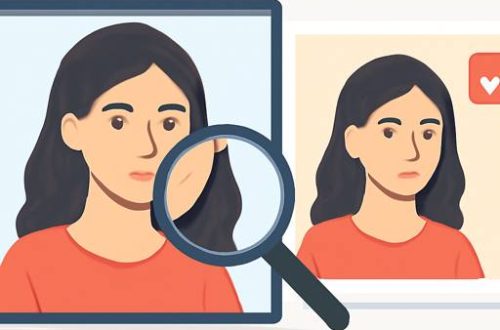
How Old Do I Look? Uncovering the Clues People Use to Guess Your Age
Asking how old do i look is more than curiosity — it taps into perception, confidence, and social signals. Age perception influences first impressions in job interviews, dating, and everyday encounters. Some cues are biological and hardwired, while others are easy to adjust with styling, grooming, and behavior. Understanding which elements drive perceived age can help refine presentation, choose better skincare and fashion habits, or simply satisfy curiosity about why strangers estimate age differently. The following sections explore the science behind perceived age, practical ways to influence it, and real-world examples that show how small changes can shift someone’s apparent age by years.
What Determines How Old You Appear
Several interrelated factors contribute to how old a person looks, encompassing facial anatomy, skin quality, movement, and social signaling. Facial structure — cheekbones, jawline, and bone density — sets a baseline that is less changeable without medical intervention. Within that framework, skin texture and elasticity are primary indicators: wrinkles, fine lines, sagging, and sunspots all communicate accumulated biological age. Exposure to ultraviolet light accelerates collagen breakdown, so long-term sun exposure often shows up as premature aging.
Eyes and mouth regions are especially potent signals. Crow’s feet, puffiness, and under-eye shadows often make a face read older, while a firm jaw and lifted cheeks suggest youth. Hair color and density also influence perception: gray hair or thinning hair typically raises age estimates, while a healthy, styled haircut can lower them. Movement and posture matter too — upright carriage and energetic gestures are associated with youth, whereas slow gait or slouched shoulders are interpreted as signs of aging.
Social and cultural cues play a role as well. Clothing choices, makeup, and grooming communicate lifestyle and social identity; wearing outdated or overly conservative styles may push perceived age upward, while contemporary, well-coordinated outfits can make someone appear younger. Finally, psychological factors like confidence, facial expressiveness, and eye contact shape perception. When people see a smiling, engaged person, they often estimate a younger age than when viewing a withdrawn or fatigued individual. Small lighting differences and camera angles in photos can also produce surprisingly varied age guesses, which is why online tools and apps sometimes give inconsistent results when asked how old do i look.
Practical Ways to Look Younger (or Older) Without Surgery
Non-surgical strategies can meaningfully influence perceived age. Start with skin health: consistent sun protection, including daily SPF and protective clothing, prevents further photoaging and reduces future age markers. A routine that includes gentle exfoliation, antioxidants like vitamin C, and targeted moisturizers can improve skin tone and reduce the appearance of fine lines. Medical-grade topical retinoids accelerate cell turnover, improving texture over weeks to months.
Hair and grooming choices are high-impact, low-risk tools. A modern cut tailored to face shape and strategic color (subtle highlights or lowlights) can mask gray or thinning areas and create a fresher frame for the face. Brow grooming and minimal, natural-looking makeup can lift features and draw attention to youthful parts of the face — eyes and cheekbones. For those aiming to appear older, adopting tailored, classic clothing, muted colors, and more conservative hairstyles can shift impressions upward by adding perceived maturity.
Lifestyle adjustments also matter. Regular strength and cardio exercise improve posture and muscle tone, which affects how age is perceived in the body and face. Adequate sleep reduces dark circles and puffiness, while reduced alcohol intake and smoking cessation improve skin quality. Even small behavioral shifts — more open body language, steady eye contact, and a genuine smile — can lower perceived age by signaling vitality. Makeup, clothes, hair, and posture together allow a wide range of control over how old a person appears without invasive procedures.
Real-World Examples and Case Studies: Age Perception in Action
Real-world cases demonstrate how varied age perception can be. In professional settings, simple grooming changes often shift age estimates and outcomes. For example, a mid-career professional who updated wardrobe to well-fitting, modern pieces and switched to a fresher haircut reported consistently being perceived as several years younger by colleagues, which translated into renewed confidence in client meetings. Another common example is the effect of dental care: a brighter, healthier smile can make a person look noticeably younger and more energetic in photos and in person.
Before-and-after transformations in digital media further illustrate the point. Makeup artists and stylists routinely change apparent age by manipulating contouring, hair color, and clothing style. In social campaigns, models photographed with warm, even lighting and relaxed expressions are judged younger than identical subjects shot in harsh lighting with neutral expressions, showing how contextual factors drive perception. Studies on AI and age estimation reveal limitations too: algorithms trained on certain populations can misjudge ages for people of different ethnicities or with atypical grooming, indicating that perceived age is culturally conditioned as well as biological.
Case studies also highlight the psychological impact of perceived age. People who are consistently told they look older may experience reduced self-esteem, while those perceived as younger sometimes gain social advantages but may face stereotyping in contexts where age and experience are valued. Understanding these dynamics empowers intentional choices: whether the goal is to project maturity for leadership roles or youthful energy for creative fields, targeted changes in skincare, styling, and behavior can produce measurable shifts in how others answer the question how old do i look.

Marseille street-photographer turned Montréal tech columnist. Théo deciphers AI ethics one day and reviews artisan cheese the next. He fences épée for adrenaline, collects transit maps, and claims every good headline needs a soundtrack.

Théo Legrand
Marseille street-photographer turned Montréal tech columnist. Théo deciphers AI ethics one day and reviews artisan cheese the next. He fences épée for adrenaline, collects transit maps, and claims every good headline needs a soundtrack.